Jaw gate valves occupy a distinctive niche in industrial valve technology, combining features of gate valves and knife gate designs to handle media that would challenge conventional valve types. Their characteristic forked or jaw-shaped body provides a full-port passage with a contoured gate that moves perpendicular to flow, opening and closing without raising the gate from the valve body. This makes jaw gate valves exceptionally well suited for powder, granular material, and slurry transport systems found throughout mining, mineral processing, and bulk handling operations. Bairun Electric Power Machinery engineers and manufactures jaw gate valves designed for the most demanding industrial applications.
Design Characteristics of Jaw Gate Valves
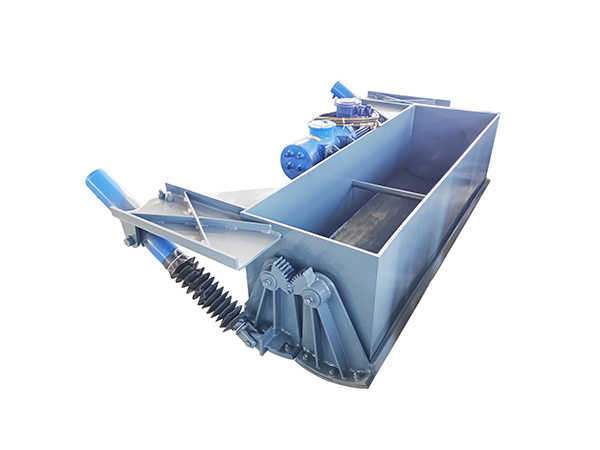
The jaw gate valve body resembles a horizontal U or fork shape, with the inlet and outlet ports forming the prongs of the fork. A flat gate plate slides horizontally between the port openings, cutting through accumulated material as it seats against the downstream body face. Unlike traditional gate valves that lift the gate vertically, the jaw gate design keeps the closure element in continuous lateral contact with the body guides, providing superior resistance to vibration and settling forces during operation. This continuous guided contact prevents the gate from lifting or chatter that can occur in vertically-lifting gate valves under high differential pressure or high-cycle conditions.
The full-port configuration eliminates internal restrictions that would cause material buildup in slurry services. Particle-laden fluids pass through without accumulating at the valve body shoulders, which is a common failure mode with globe-style valves in similar applications. The horizontal gate travel also reduces the overall installed height of the valve, which matters in crowded conveyor transfer housings and bin bottoms where space is at a premium.
Material Selection for Mining Environments
Mining and mineral processing applications subject valves to severe abrasion from silica particles, limestone, copper ore, iron ore, and various tailings compositions. Material selection directly determines service life, and experienced manufacturers recommend specific combinations based on the identified ore characteristics including particle size distribution, hardness, and shape. Abrasion-resistant alloys with elevated chrome content provide superior performance in mineral slurry applications compared to standard carbon steel constructions, with chromium carbide overlay treatments offering additional hardness at the highest-wear contact surfaces.
Wear patterns in jaw gate valves typically concentrate at the gate edges, seat surfaces, and body bore areas where material first contacts the valve internals during flow. Replaceable wear plates and hardened gate edges extend maintenance intervals significantly in high-wear services, reducing the frequency of valve removal and overhaul. When specifying materials, consider not only the base ore but also any chemical reagents used in the flotation or leaching process, as these may introduce corrosive components that accelerate both mechanical wear and material degradation. A complete ore characterization provided to the valve manufacturer enables accurate material recommendations and avoids the false economy of under-specified construction.
Pneumatic Conveying System Integration
Jaw gate valves are widely installed in pneumatic conveying systems that transport powdered and granular materials between processing units. Dense-phase conveying systems operate at elevated pressures and move material in slug formations, placing unique demands on valve sealing surfaces. The valve must maintain a positive seal against pressurized conveying gas while allowing the gate to cycle without binding, even when material has compacted against the valve internals between cycles. High-pressure conveying applications may require ratings of 6 bar or higher, driving the need for robust actuator sizing and reinforced body construction.
Installation and Maintenance Best Practices
Proper installation orientation prevents material accumulation inside the valve body that could interfere with gate travel. Horizontal pipe runs typically call for valve installation with the gate mechanism oriented upward, ensuring gravity assists material flow away from the closure area. Vertical pipe installations require careful consideration of material head pressure and settling tendencies, with some materials requiring flush-body designs that eliminate any internal recesses where material could accumulate.
Maintenance programs for jaw gate valves in mining service should include regular inspection of gate edge condition, seat wear patterns, and packing or seal element integrity. Keeping spare gate assemblies and seal kits in inventory reduces unplanned downtime during critical processing periods. A qualified jaw gate valve manufacturer can provide recommended maintenance schedules based on operating experience with similar applications.
Selecting a Jaw Gate Valve Supplier
The diversity of mining applications demands flexible manufacturing capabilities from valve suppliers. Look for manufacturers capable of producing custom body configurations, non-standard flange drilling, and specialized coatings including hard surfacing and ceramic linings. Technical support for application sizing and material recommendation adds significant value beyond the basic valve supply, particularly for greenfield projects where the process design is still being finalized.
Bairun delivers jaw gate valves engineered for mining and mineral processing applications, with material and configuration options matched to specific service requirements. Our manufacturing facility produces valves in sizes suitable for both laboratory-scale pilot plants and full-scale production operations. Discuss your application requirements with our engineering team to receive a customized valve solution recommendation.
References:
References:
International Organization for Standardization. ISO 5208, Industrial Valves: Pressure Testing of Valves.
National Fire Protection Association. NFPA 85, Boiler and Combustion Systems Hazards Code.
Society of Mining, Metallurgy and Exploration. SME Mineral Processing Handbook.
International Mining and Minerals Council. BAT Reference Document for the Management of Tailings and Waste Rock.