Rotary kilns used in cement production, lime calcination, and mineral processing require regular access for internal inspection, refractory maintenance, and emergency interventions. The harsh interior environment of an operating kiln, with temperatures exceeding 1000 degrees Celsius and potentially hazardous atmospheres, demands specially designed access systems that can be opened and closed rapidly while maintaining structural integrity and thermal performance. Quick opening dampers provide this critical access capability, serving as the interface between the kiln interior and the external environment during planned maintenance shutdowns and unplanned inspection events. Bairun Electric Power Machinery engineers and manufactures quick opening dampers engineered for the extreme conditions of industrial rotary kiln applications.
Challenges of Kiln Interior Access
The interior of an active rotary kiln presents formidable access challenges even after the unit has been shut down. Residual heat retained in the refractory lining keeps internal temperatures elevated for many hours after feed and fuel flow cease, while combustible gases may persist in the kiln atmosphere. Opening a kiln incorrectly during this cooling period risks thermal shock damage to the refractory, personnel burns from hot surfaces, and potentially explosive gas ignition if air enters before sufficient purging has occurred. A comprehensive kiln entry procedure, developed based on the specific kiln configuration and fuel type, must be followed before damper operation is permitted.
Quick opening damper systems address both the mechanical and procedural requirements for safe kiln access. The damper itself must provide a tight seal during kiln operation, preventing false air infiltration that would disturb combustion conditions and compromise thermal efficiency. Even small false air leaks through a leaking damper can measurably reduce kiln thermal efficiency and increase fuel consumption. When opened, the damper system must create a full human-access opening while remaining structurally stable against kiln shell thermal stresses and operational vibration transmitted through the kiln structure.
Damper Construction for High-Temperature Kiln Service
Kiln quick opening dampers must withstand direct exposure to the kiln interior environment during operation, including radiant heat from the process material, hot gas temperatures reaching 1200 degrees Celsius in the burning zone, and thermal shock during emergency opening. Structural components are fabricated from heat-resistant alloys capable of maintaining mechanical properties at these temperatures, with water cooling or air cooling systems protecting seal elements and operating mechanisms from direct thermal exposure. The cooling water flow rate must be carefully calculated based on the heat load to ensure adequate cooling even during the most demanding operating conditions.
The sealing system between the damper and the kiln shell must accommodate the dimensional changes that occur as the kiln shell heats and cools during normal operation and shutdown sequences. Spring-loaded sealing mechanisms or adjustable clamp bands compensate for this movement, maintaining a gastight seal without requiring constant operator attention. Ceramic fiber or refractory blankets provide thermal insulation protecting the damper frame and external operating components from heat conducted through the kiln shell.
Operating Mechanisms for Rapid Deployment
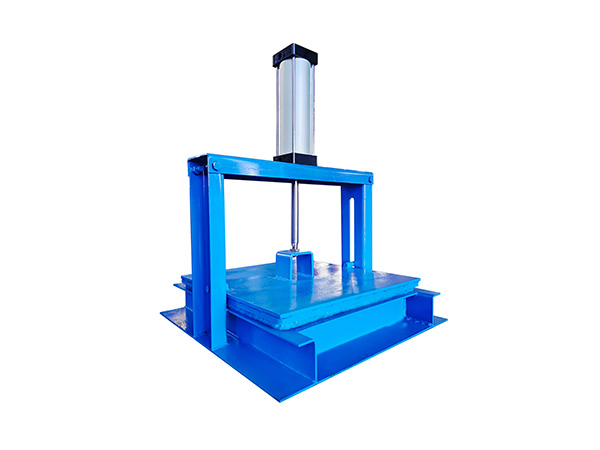
The quick opening mechanism is the defining feature of these dampers, enabling opening or closing in a matter of minutes rather than the hours required by bolted cover plates. Several mechanism designs are in industrial use, including vertical lift systems with counterweights, swing-type doors on multiple hinges, and segmented cover arrangements that retract to expose the full opening. The selection depends on kiln shell geometry, available space for mechanism movement, and the frequency of anticipated access events. Vertical lift dampers are often preferred for their simple mechanical design and predictable movement characteristics, while swing doors may be favored where vertical clearance is limited.
Pneumatic or hydraulic actuators provide the motive force for rapid operation while allowing manual override in the event of power or pressure loss. Position locks engage automatically when the damper reaches the closed position, providing positive mechanical retention against the internal pressure differential. Visual position indicators confirm the damper status to operators at a safe distance from the hot kiln shell.
Integration with Kiln Safety Systems
Quick opening dampers must integrate with kiln safety interlocks to prevent opening during unsafe conditions. Temperature interlocks block damper operation until shell temperatures fall below specified limits, protecting operators from radiant heat exposure and refractory from thermal shock. Gas monitoring systems verify that oxygen levels fall within safe ranges before allowing access, preventing ignition of residual combustible gases that accumulate during the cooling period.
Sourcing Kiln Quick Opening Dampers
The extreme operating environment of rotary kiln applications demands dampers engineered and manufactured by specialists with proven experience in high-temperature industrial equipment. Look for manufacturers who can demonstrate field experience in cement and lime applications with references from major process industry operators. Engineering support for safety interlock design and commissioning assistance during installation adds significant value beyond the basic damper supply.
Bairun manufactures quick opening dampers designed for cement, lime, and mineral processing rotary kiln applications. Our engineering team provides application-specific configurations including cooling system design, actuator sizing, and safety interlock specifications. Contact our industrial kiln specialists to discuss your maintenance access requirements.
References:
References:
Portland Cement Association. Cement Manufacturer's Handbook.
European Committee for Standardization. EN 196, Methods of Testing Cement.
National Lime Association. Lime Handling and Storage Manual.
International Society of Automation. ISA TR84.00.07, Guidance on the Evaluation of Fire and Combustion Hazard Control System Performance.